

Ayurvedic Pain Relief: Traditional Therapies and Natural Approaches to Managing Everyday Body Pain
If you’re someone who sits down to work long hours during the day or have to do prolonged physical activity, it’s quite common that you experience muscle tension or soreness. Ayurvedic therapies are some of the best ways to bring relaxation and manage these aches. Ayurveda is a combination of these different traditional therapies which include heat, massage, and other lifestyle practices. But the right approach depends on the cause of the pain and the personal factors. Remember that these therapies cannot replace medical assessment if the symptoms refuse to go away.
How Does Ayurveda Approach Body Pain?
Ayurveda takes a whole-person approach to wellbeing, taking into account daily movement, lifestyle, rest and personal needs. The therapies involved promote relaxation and comfort although there is variation when it comes to clinical evidence. Therefore it is important to understand the cause of your discomfort before proceeding with treatments.
Traditional Ayurvedic Therapies for Body Pain
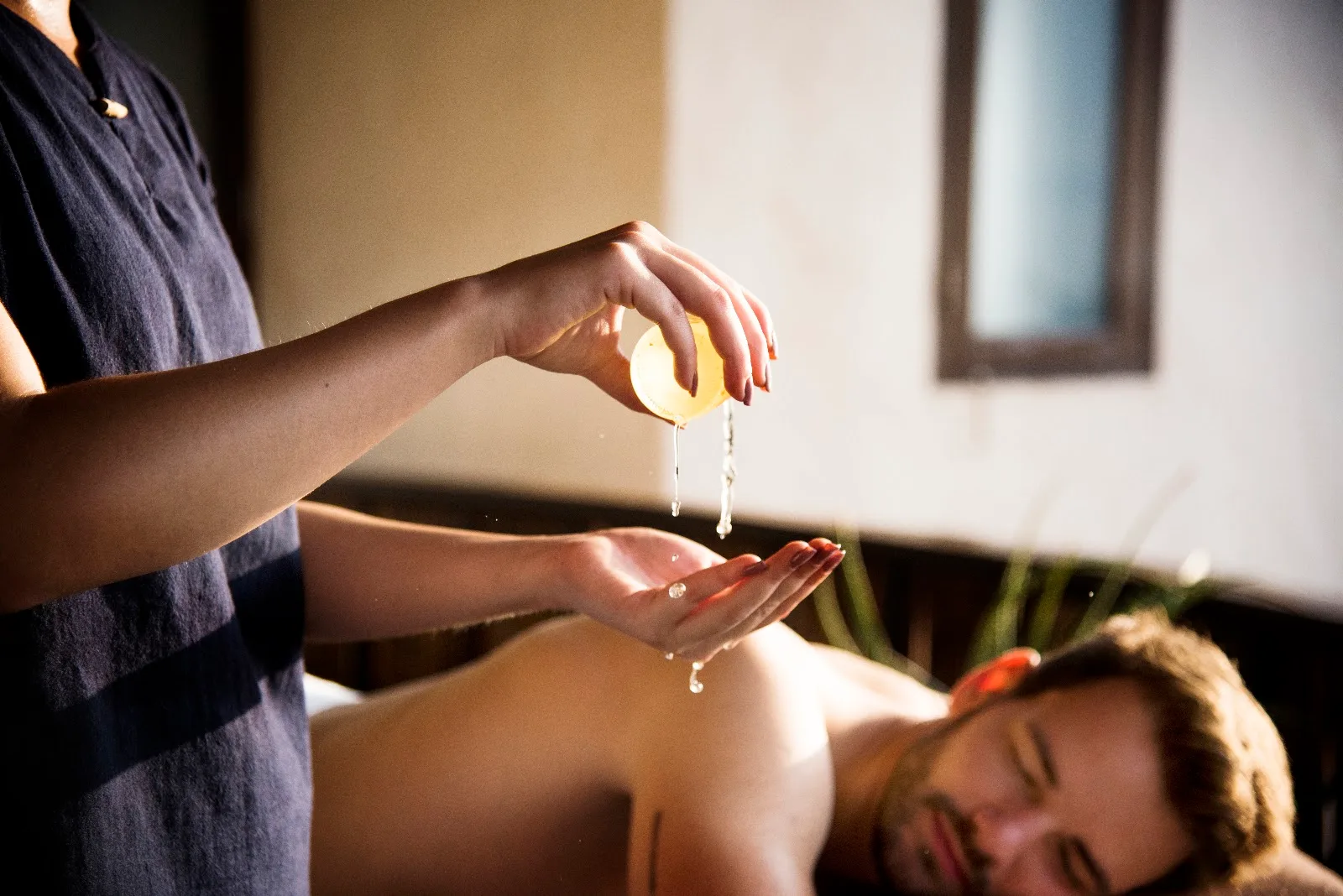
1. Abhyanga: Traditional Oil Massage
Abhyanga is an Ayurvedic practice that involves application of oil through massage. It is commonly used as part of personal care and routines. Massage helps some people experience short term relief from muscular tension or discomfort. But results do vary and hence should not be taken as a guaranteed cure for chronic pain or serious medical condition.
2. Swedana: Traditional Heat Therapy
Swedana refers to the heat-based practices used in traditional Ayurvedic treatments. Heat helps some people feel more comfortable when going through muscular stiffness.
Note that sometimes excess heat can cause burns, dehydration or worsen your symptoms in some conditions. Get professional help before going for specialised heat therapies, especially if you already have a health condition.
3. Panchakarma Therapies
Panchakarma refers to a group of specialised procedures in Ayurveda, rather than a single massage or universal pain-relief treatment. Certain procedures in Panchakarma may be part of an individualised treatment plan.
Panchakarma therapies need assessment by a qualified practitioner and their suitability depends on the person’s health, symptoms and medical history.
Natural Ways to Manage Everyday Body Aches
Prevention is always better than cure. So while you get professional help, adding these habits to your routine will help you stay mobile and healthy:
- Take movement breaks: If your work involves sitting at a desk for hours, stand up and move around regularly.
- Adjust your workstation: Proper seating and suitable screen positioning can help reduce unnecessary strain on your neck and shoulders.
- Try gentle movement: Walking and easy stretching help maintain mobility.
- Prioritise rest: Adequate sleep supports recovery and overall wellbeing.
- Use heat or cold appropriately: A warm or cold compress may help with some types of discomfort, depending on the cause.
When Should You See a Doctor?
Don’t assume that long-term pain is muscle tension. Get medical help if pain keeps returning or prevents you from going through daily activities. Sudden sharp pain, injury, new weakness, or fever along with pain are all symptoms that need urgent attention. It is important to identify the underlying reason for the pain before pursuing therapies.
Key Takeaways
Ayurveda comprises multiple traditional practices like Abhyanga, Panchakarma, and Swedana, which have different purposes. Massages may give short-term relief for some complaints but evidence shows variations.
The best approach is to combine self-care with proper and timely professional guidance. The aim should be to ensure comfort without ignoring the cause of the pain.
Frequently Asked Questions
It refers to traditional Ayurvedic therapies and practices used to support comfort and wellbeing.
Practices include Abhyanga oil massage, Swedana heat therapies and selected Panchakarma procedures.
Yes, massage can provide short-term relief for some types of muscular discomfort. But remember that it is not guaranteed to work for everyone.
Abhyanga is a traditional Ayurvedic oil massage used as part of wellness and personal-care practices.
Some people explore Ayurvedic therapies for joint discomfort, but evidence shows variation and hence we can’t claim a guarantee.
Abhyanga is a specific oil-massage practice. Panchakarma refers to a broader group of specialised Ayurvedic procedures.
Some may be safe when delivered by qualified practitioners. But the risk involved depends on the treatment, ingredients and individual health conditions.
It is possible, but discuss this with your healthcare professional to check for interactions with medications.
Gentle movement, proper rest, ergonomic adjustments and suitable heat or cold applications may help. But it all depends on the cause.
Seek medical advice when pain persists, worsens or limits daily activities.