

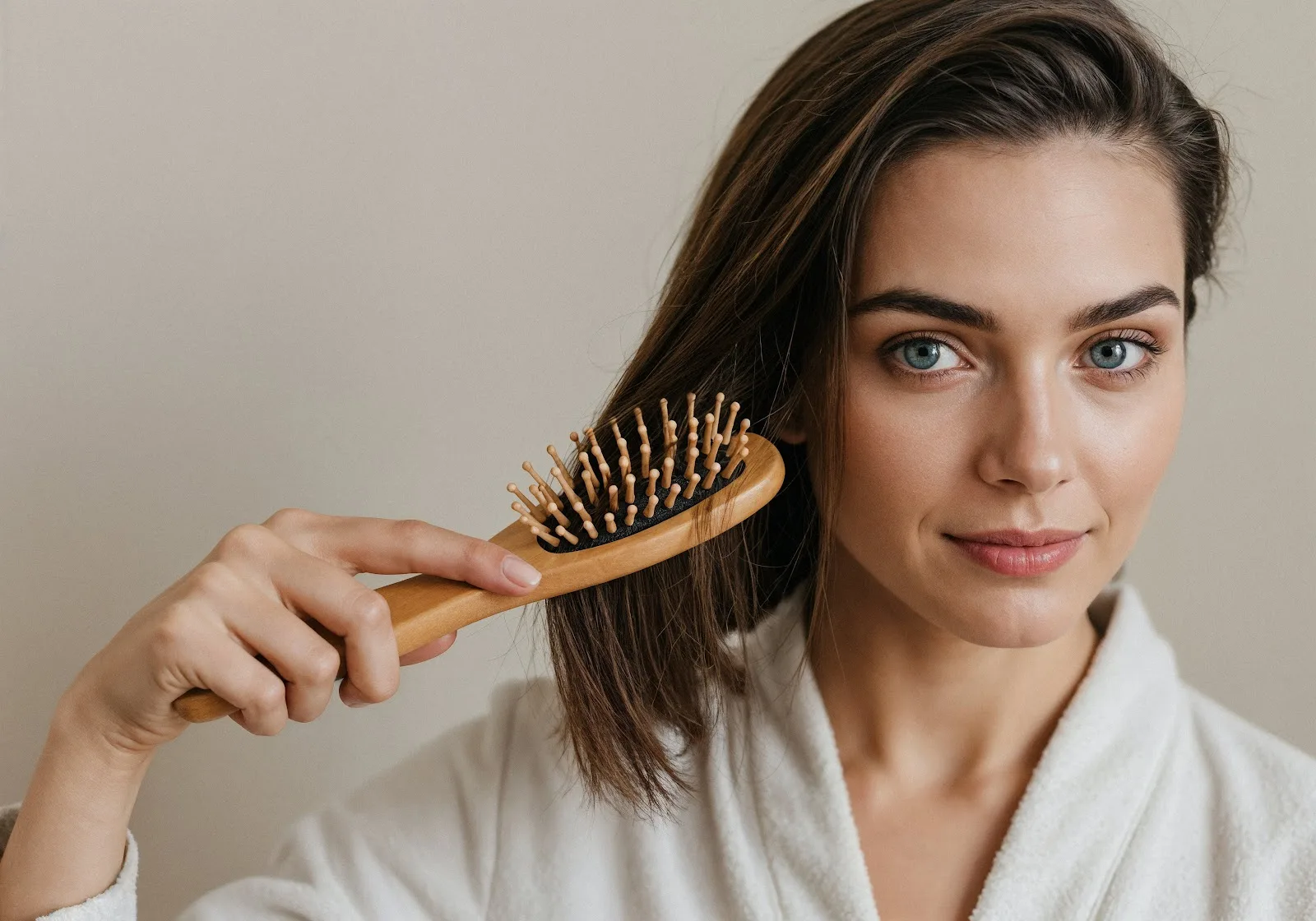
How to Choose Hair Oil for Dry Hair and a Dry Scalp in the GCC Climate
Living in the GCC can be tough on your hair. Intense heat, dust and long hours in air-conditioned spaces can leave your hair feeling rough, dry and difficult to manage.
You may notice that your scalp feels tight or uncomfortable despite following a regular haircare routine. Choosing the right hair oil can help support your haircare routine. But not every oil suits every hair type or scalp condition. Understanding your needs is the first step.
Why Does Hair Feel Drier in the GCC Climate?
Think about your typical day. You step outside into the heat, spend hours in an air-conditioned office and return home after exposure to dust and environmental pollution.
These changing conditions can affect your hair.
Some common contributing factors include:
- Air conditioning: Long hours indoors can contribute to dryness.
- Heat and sun exposure: Prolonged exposure may leave hair feeling rough.
- Dust and pollution: Particles can settle on your scalp and hair.
- Frequent washing: Unsuitable shampoos may leave hair feeling stripped.
- Heat styling: Regular use of styling tools can contribute to breakage.
What Should You Look for in Hair Oil?
A good hair oil should suit your hair texture, scalp condition and everyday routine.
Before buying one, ask yourself:
- Does my hair feel dry or difficult to manage?
- Is my scalp dry or does it become oily quickly?
- Does the oil leave my hair excessively greasy?
- Does the formulation suit my haircare needs?
Understanding the Difference Between Dry Hair and a Dry Scalp
Dry hair usually feels rough, brittle or difficult to manage. You may also notice frizz and tangling.
A dry scalp, on the other hand, may feel tight, itchy or uncomfortable.
You can have dry hair with an oily scalp, so your oiling routine should depend on what actually needs attention. Constant itching or irritation may need professional help.
Botanical Ingredients Matter in Hair Oils
Ayurvedic haircare has traditionally used botanical oils to nourish and condition hair.
Almond Oil is valued for its conditioning properties. It can help soften rough hair, improve manageability and reduce the appearance of frizz.
Moroccan Argan Oil is commonly used to condition dry hair. It helps improve the appearance of smoothness and shine while making hair easier to manage.
Coconut Oil is valued for its conditioning properties and has been studied for its ability to reduce hair protein loss under certain conditions. Sesame Oil is traditionally used as a nourishing base in Ayurvedic haircare formulations.
Common Mistakes People Make While Oiling Their Hair
Avoid these common mistakes:
- Applying excessive oil.
- Massaging the scalp too aggressively.
- Using heavy oils on an already oily scalp.
- Leaving oil on longer than necessary if it causes discomfort.
- Using very hot water to wash out oil.
A Simple Hair Oiling Routine for the GCC Climate
Before Washing
✔ Choose an oil suited to your hair and scalp.
✔ Apply a small amount to your scalp if suitable.
✔ Distribute some oil through dry lengths.
✔ Massage gently and leave it on for a comfortable period.
During Washing
✔ Use a suitable shampoo.
✔ Rinse thoroughly.
✔ Avoid very hot water.
After Washing
✔ Apply conditioner to the lengths if needed.
✔ Avoid rubbing wet hair aggressively.
✔ Limit excessive heat styling.
An Example of What to Look For
If your hair feels dry or difficult to manage, Dhathri Daily Almond and Moroccan Argan Oil is one formulation worth considering.
It combines Cold-Pressed Almond Oil, Moroccan Argan Oil, Coconut Oil, Sesame Oil and Vitamin E. Its lightweight formulation is designed to nourish and condition hair, help control frizz and improve manageability without leaving a greasy residue.
Final Thoughts
Choosing the right hair oil is about understanding your hair’s needs rather than following trends.
In the GCC, where heat, dust and air conditioning are part of daily life, a suitable haircare routine can help maintain softer, smoother and more manageable hair.
Read the ingredient list, understand your hair type and choose products based on their formulation.
Expert Advice
Dry hair does not always mean a dry scalp
Your hair lengths and scalp can have different needs. Choose your products accordingly.
Do not apply more oil than your hair needs
Start with a small quantity and adjust based on your hair type and texture.
Hair oil is not a replacement for conditioner
Oil and conditioner serve different purposes. Conditioner helps improve softness and detangling after shampooing.
Key Takeaways
✔ GCC weather and air conditioning can contribute to hair dryness.
✔ Dry hair and a dry scalp are different concerns.
✔ Almond Oil, Moroccan Argan Oil, Coconut Oil and Sesame Oil are valued for their conditioning properties.
✔ Choose an oil suited to your hair and scalp.
✔ Healthy-looking hair comes from consistent cleansing, conditioning and gentle care.
Frequently Asked Questions (FAQs)
Look for conditioning ingredients such as Almond Oil and Moroccan Argan Oil that help improve softness and manageability.
Long hours in air-conditioned environments can contribute to dryness. A suitable conditioning routine can help.
It depends on your hair type and scalp condition. Start with occasional pre-wash oiling.
It depends on your needs. If your scalp tolerates oiling, apply a small amount gently. For dry lengths, focus on the mid-lengths and ends.
It is commonly used for its conditioning properties and can help improve the appearance and manageability of frizzy hair.
Hair oil may help reduce dryness-related breakage, but it cannot address every cause of hair fall.